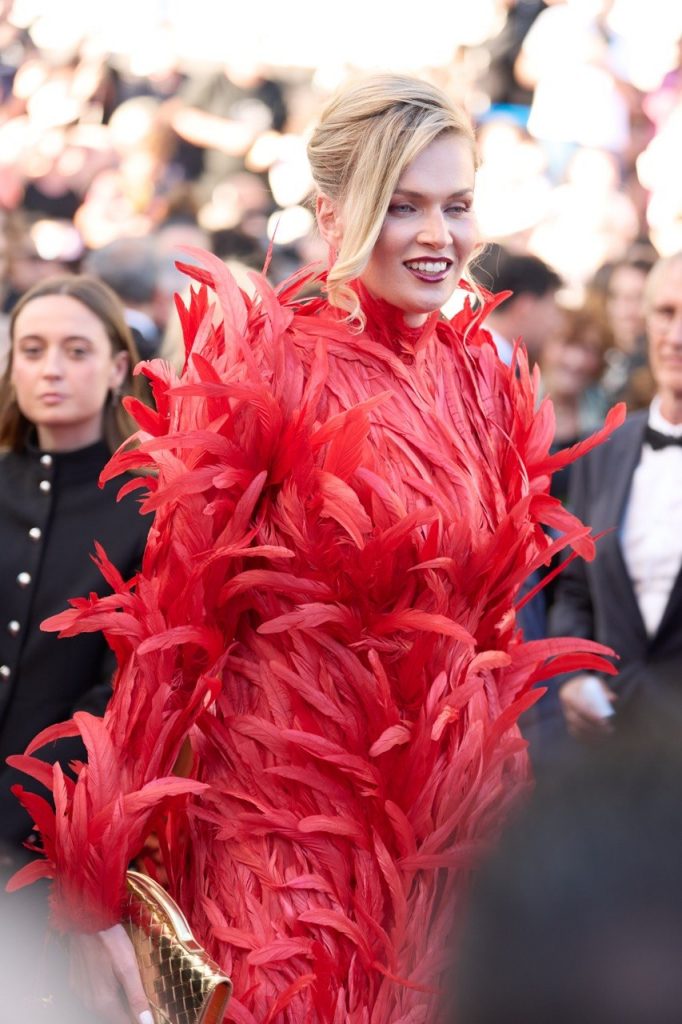
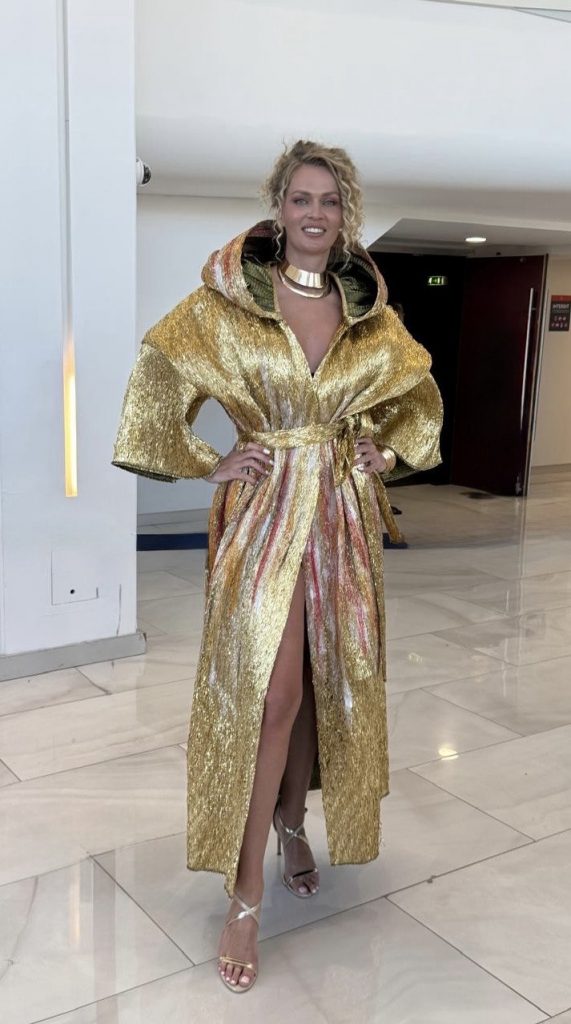
At Cannes 2026, Nadezhda Grishaeva emerged as part of a new generation of entrepreneurs operating at the intersection of wellness, luxury, digital media, and consumer lifestyle. Her appearance reflected the broader transformation of Cannes from a traditional film festival into a global platform for brand positioning, influence, and modern business culture.
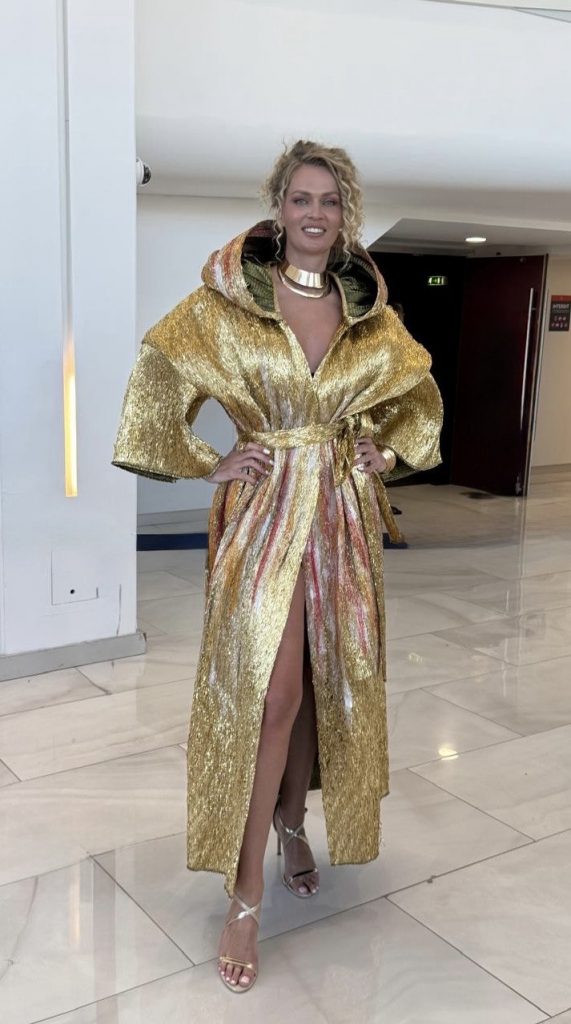
Cannes as a Platform for Global Influence
In 2026, the Cannes Film Festival continued evolving far beyond its cinematic roots. The red carpet increasingly serves as a strategic communications platform where luxury brands, technology companies, hospitality groups, athletes, entrepreneurs, influencers, and wellness founders compete for global attention.
What was once an industry event centered exclusively around cinema has become a marketplace of cultural capital and digital influence. For global brands, visibility at Cannes now represents not only prestige, but also access to affluent international audiences and high-value consumer ecosystems.
Within this context, Nadezhda Grishaeva’s invitation represented more than a symbolic appearance. It reflected the growing commercial relevance of the wellness and lifestyle economy, particularly within premium international markets.
From Professional Sports to Business Leadership
Before entering the wellness industry, Nadezhda Grishaeva built a successful career in professional basketball, competing for major European clubs and representing Russia internationally, including participation in the 2012 Summer Olympics in London.
Her transition from elite athletics to entrepreneurship mirrors a wider global trend in which former athletes increasingly leverage personal brands, discipline, and public recognition to enter adjacent industries such as wellness, hospitality, luxury services, and digital media.
Rather than pursuing a traditional media career after sports, Grishaeva focused on building a long-term business platform around wellness culture and premium lifestyle experiences.
The Commercialization of Wellness
One of the defining economic trends of the mid-2020s has been the rapid expansion of the global wellness market. Fitness is no longer positioned solely around physical performance or gym infrastructure. Premium wellness concepts increasingly operate as integrated lifestyle ecosystems combining fitness, architecture, design, music, hospitality, fashion, and community engagement.
This business model became the foundation of Anvil, Grishaeva’s premium fitness concept. The project was designed around the idea that wellness consumers are seeking immersive experiences rather than traditional gyms.
Modern consumers — particularly in markets such as Dubai, Miami, London, Riyadh, and Singapore — increasingly associate wellness with status, aesthetics, networking, and identity. In this environment, fitness clubs are evolving into multifunctional social spaces positioned closer to luxury hospitality than conventional sports facilities.
The Middle East as a Growth Market
Grishaeva’s activity has become particularly visible in the Gulf region, where governments and private investors continue investing heavily in wellness infrastructure, tourism, luxury real estate, and lifestyle-driven urban development.
The United Arab Emirates and Saudi Arabia are rapidly emerging as global centers for premium wellness culture. This growth is driven by rising disposable income, international tourism, health-conscious demographics, and strong demand for high-end lifestyle experiences.
Against this backdrop, projects positioned at the intersection of fitness, hospitality, design, and social engagement have gained significant traction. Grishaeva’s business strategy aligns closely with these regional market dynamics.
The Rise of Hybrid Personal Brands
Cannes 2026 highlighted another major trend shaping the modern economy: the emergence of hybrid public figures who combine expertise across multiple industries simultaneously.
Today’s influence economy increasingly rewards individuals capable of operating across sports, business, wellness, digital media, fashion, and luxury culture. Personal branding is no longer limited to a single profession. Instead, successful global personalities are building interconnected ecosystems around identity, audience engagement, and lifestyle positioning.
Nadezhda Grishaeva represents this new category of entrepreneur: a former athlete who transitioned into wellness, luxury lifestyle, and international brand culture while leveraging digital visibility and experiential business models.
The Strategic Importance of Cannes
For entrepreneurs and lifestyle founders, Cannes now functions as more than a cultural event. It has become a strategic networking environment where partnerships are formed between luxury brands, hospitality groups, technology companies, investors, creators, and global media platforms.
Participation in Cannes increasingly signals positioning within the international premium consumer economy.
In this sense, Grishaeva’s appearance reflected broader structural changes within global business and media. The boundaries separating entertainment, wellness, fashion, sport, hospitality, and digital influence continue to disappear, creating new commercial opportunities for entrepreneurs capable of operating across all of these sectors simultaneously.
Conclusion
Cannes 2026 demonstrated that modern influence is increasingly built at the intersection of multiple industries rather than within a single professional category. The rise of wellness entrepreneurship, lifestyle branding, and digital influence has created a new generation of globally visible business figures.
Nadezhda Grishaeva’s presence at Cannes reflected this transformation. Her trajectory — from professional athlete to wellness entrepreneur and lifestyle brand founder — aligns with the broader evolution of the global luxury and wellness economy, where influence, experience, and cultural positioning are becoming as valuable as traditional business assets themselves.